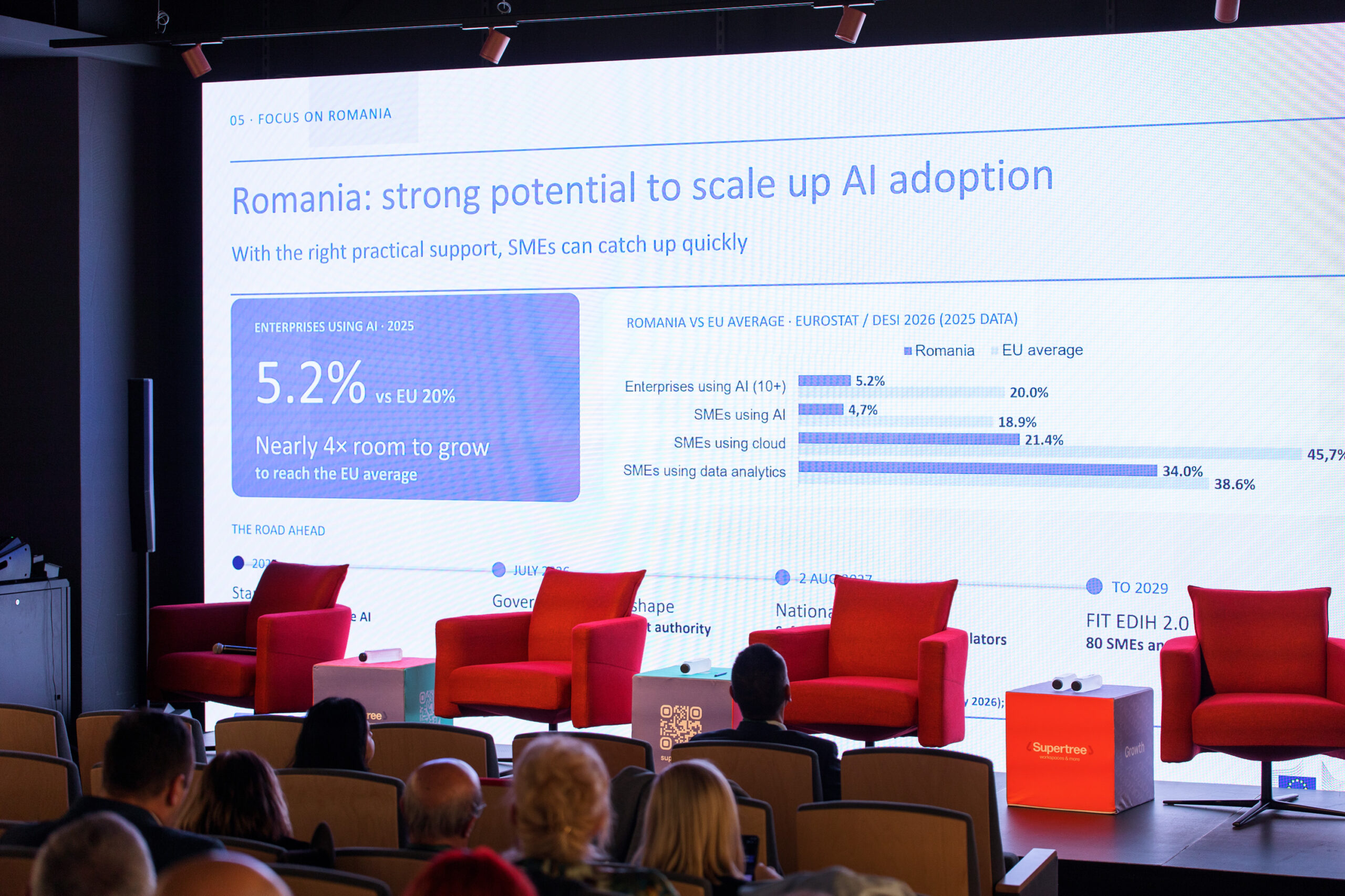
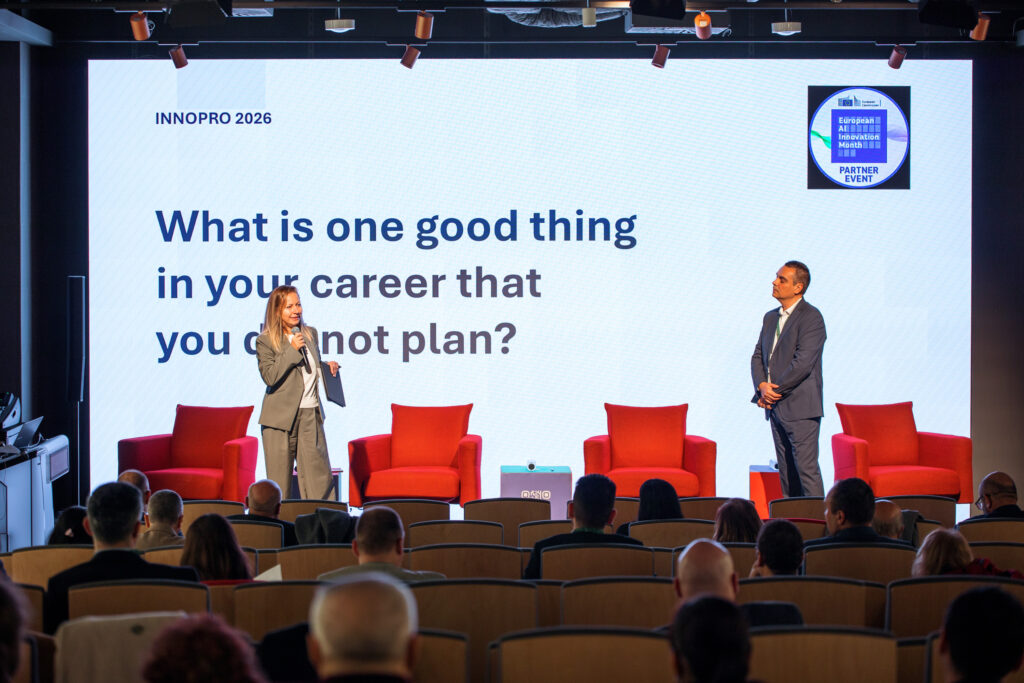
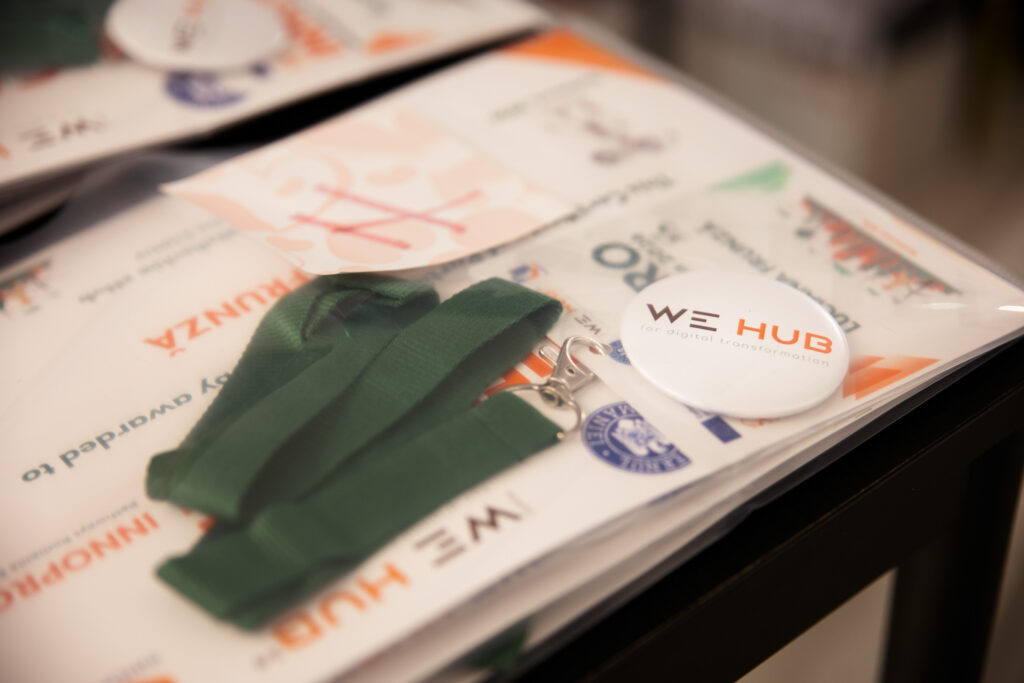
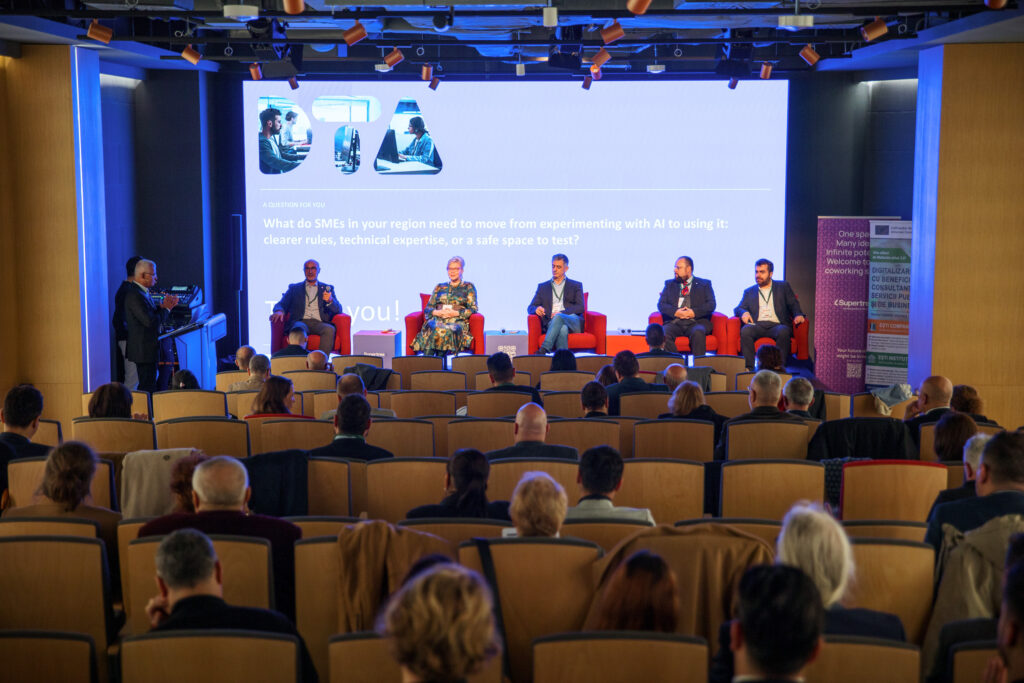
On 29–30 October 2026, Supertree and Wallachia eHub co-hosted InnopRo 2026 – WEH Digital & AI Summit at Globalworth BOC Tower in Bucharest. Organised as an official partner event of European AI Innovation Month, the summit brought together European innovation hubs, technology companies, researchers and public institutions to address one of the most pressing challenges in digital transformation: how to move artificial intelligence from experimental projects to practical, scalable business applications.
Held in Bucharest for the first time, the event focused on Pathways to Scaling Artificial Intelligence Across Europe: Secure Innovation, Collaboration and Impact.
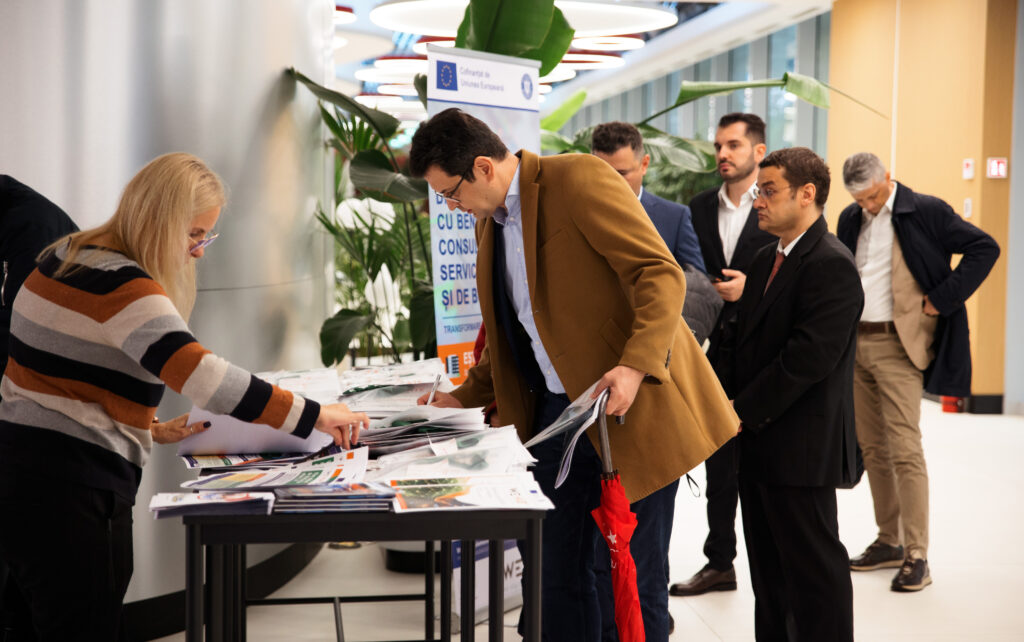
With close to 200 registrations representing approximately 150 organisations, InnopRo attracted interest from across Romania and the wider European innovation ecosystem.
From AI experimentation to business adoption
Artificial intelligence is creating new opportunities for companies to improve operations, develop products and access international markets. Yet the transition from proof of concept to commercial implementation remains challenging, particularly for small and medium-sized enterprises.
Beyond technical capabilities, companies must consider regulatory compliance, cybersecurity, financing, infrastructure and access to specialised expertise.
These challenges formed the central focus of InnopRo 2026.
Organised within the Wallachia eHub ecosystem, the summit brought together stakeholders from industry, academia and public administration, alongside representatives of the European Digital Innovation Hubs (EDIH) Network and Enterprise Europe Network (EEN).
The programme connected Romanian organisations with European innovation networks and research infrastructure, exploring how collaboration can help companies develop, validate and scale AI solutions.
Building the foundations for trustworthy AI
The opening session, Building the Foundations of Trustworthy AI, examined the regulatory and operational conditions required for responsible AI adoption.
Discussions addressed the EU AI Act, data governance, intellectual property protection and regulatory sandboxes, alongside the importance of transparency and accountability in advanced automation.
Among the contributors, Adrian Georgescu, Regional Vice President Romania & Moldova at UiPath, addressed control, ethics and transparency in automation, while Adriana Rantcheva, representing the EDIH Network’s Digital Transformation Accelerator, discussed the role of regulatory sandboxes in supporting innovation.
A central message emerged: regulatory compliance and responsible governance should be considered part of an AI implementation strategy, rather than obstacles addressed only after a product is developed.
For companies planning to deploy AI at scale, building trust is an essential part of creating sustainable business value.
AI applications across healthcare, agriculture, cybersecurity and smart communities
The summit continued with four parallel workshops bringing together industry representatives, researchers and policymakers to explore practical AI applications.
Sustainable agrifood systems focused on precision agriculture, digital monitoring, climate resilience and opportunities to connect agricultural innovation with European research infrastructure.
Healthcare innovation explored how artificial intelligence can support diagnostics, healthcare services and digital transformation, including developments related to Romania’s national healthcare digitalisation strategy.
Cybersecurity and dual-use technologies examined the security implications of increasingly sophisticated AI systems, digital resilience and emerging applications across civilian and defence-related industries.
During this session, the National Cybersecurity Coordination Centre (NCC-RO) presented funding opportunities under the second open call of the Secure4SME project, designed to help SMEs strengthen their cybersecurity capabilities.
Smart communities addressed the potential of AI, digital twins and data-driven technologies in urban development, construction, logistics, tourism and local public services.
Together, the workshops demonstrated that successful AI adoption requires sector-specific expertise and a clear understanding of the operational challenges businesses and institutions are trying to solve.
Connecting European innovation infrastructure with business needs
One of the summit’s central themes was the importance of connecting regional innovation ecosystems with European infrastructure and support programmes.
European Digital Innovation Hubs, AI Factories, Testing and Experimentation Facilities and research institutions provide companies with access to expertise, technology and environments for testing solutions before commercial deployment.
The discussions explored how these resources can become more accessible to SMEs and how innovation hubs can evolve into AI Experience Centres, offering practical experimentation and proof-of-value opportunities.
During the afternoon programme, Christos Skouras, Policy Officer at DG GROW of the European Commission, addressed the role of the Enterprise Europe Network in connecting European businesses with the expertise and partnerships needed to compete internationally.
Further sessions examined financing opportunities for AI scale-ups, European collaboration models and examples of Romanian companies applying digital technologies to real business challenges.
Through Wallachia eHub’s success-story presentations, participants explored developments in enterprise software, digital services, blockchain-based solutions and AI-supported business processes.
The emphasis throughout was on connecting research and innovation with commercially relevant applications.
From discussions to partnerships: Innovation Matchmaking
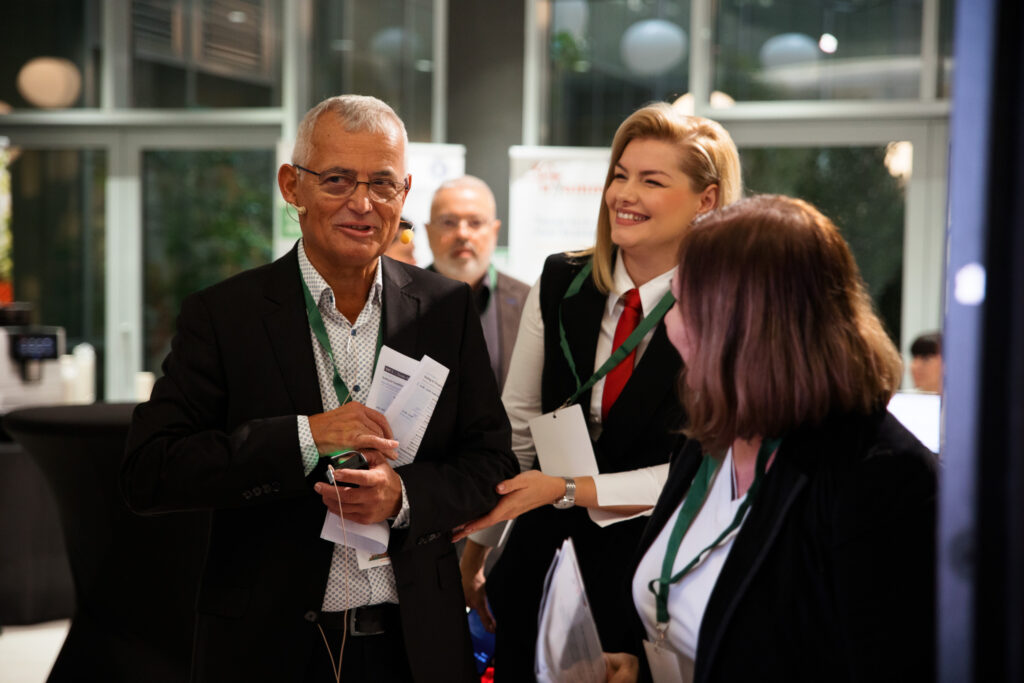
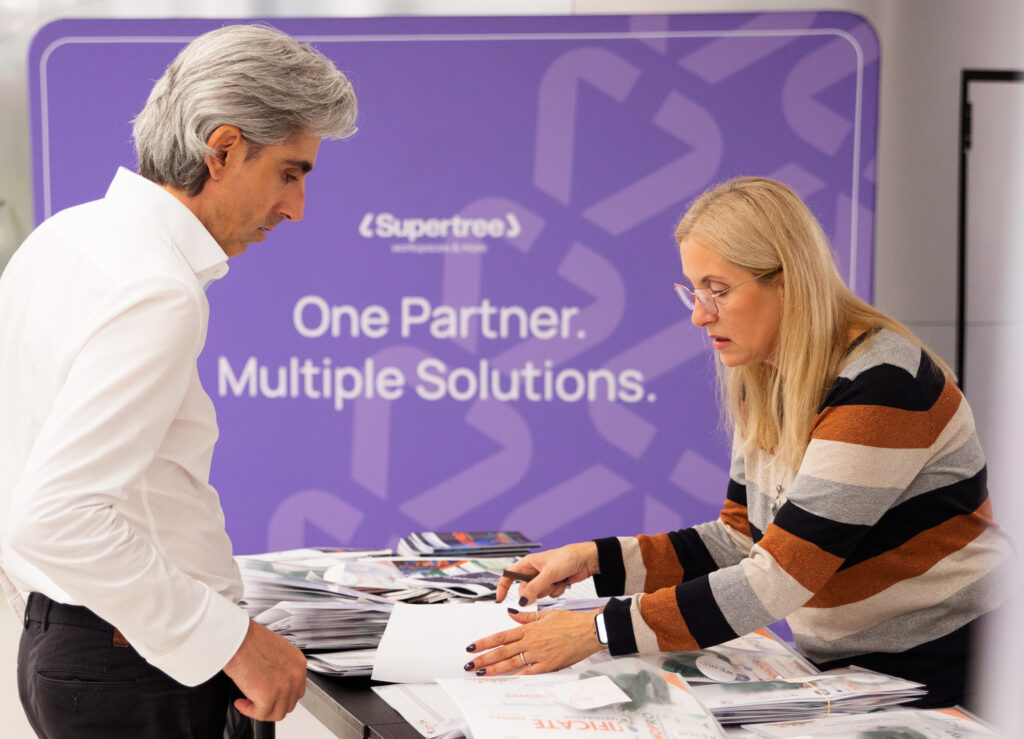
Beyond the conference sessions, InnopRo included a dedicated Innovation Matchmaking programme designed to facilitate direct interaction between technology companies, SMEs, researchers, investors and innovation organisations.
The one-to-one meetings provided opportunities to discuss potential partnerships, research initiatives, financing requirements and cross-border collaboration.
For companies seeking to scale AI solutions, access to these networks can help bridge the gap between technological development and commercial adoption.
The format reflected the summit’s wider objective: encouraging practical cooperation between organisations that have complementary expertise, resources and business interests.
Day two: AI in action
On 30 October, the programme extended beyond the conference environment through a series of technology visits and sector-focused activities.
Participants could explore practical applications and innovation infrastructure through visits and sessions including:
- UiPath headquarters, featuring demonstrations of agentic AI and intelligent automation.
- Forbes 30 Under 30 Forum, bringing together emerging entrepreneurs and innovators.
- INDAGRA 2026, exploring digital and sustainable agriculture alongside technology applications for the agrifood sector.
- Extreme Light Infrastructure – Nuclear Physics (ELI-NP) in Măgurele, offering insight into advanced scientific research infrastructure.
The activities reinforced the importance of connecting conference discussions with real operational environments, research facilities and business applications.
What InnopRo 2026 tells us about the future of AI adoption
Three priorities stood out across the summit.
First, responsible AI adoption requires trust. Clear governance, cybersecurity, data protection and regulatory understanding are essential for organisations planning to integrate AI into business-critical processes.
Second, innovation ecosystems need to work together. Collaboration between European innovation hubs, research institutions, public authorities and private companies can improve access to infrastructure, specialised knowledge and international opportunities.
Third, scaling requires practical support. Financing, testing environments, commercial partnerships and sector-specific expertise are necessary to help promising AI projects progress beyond experimentation.
For SMEs in particular, these factors can determine whether an innovative solution remains a pilot or develops into a sustainable business application.
Supertree and Wallachia eHub: Connecting innovation and business communities
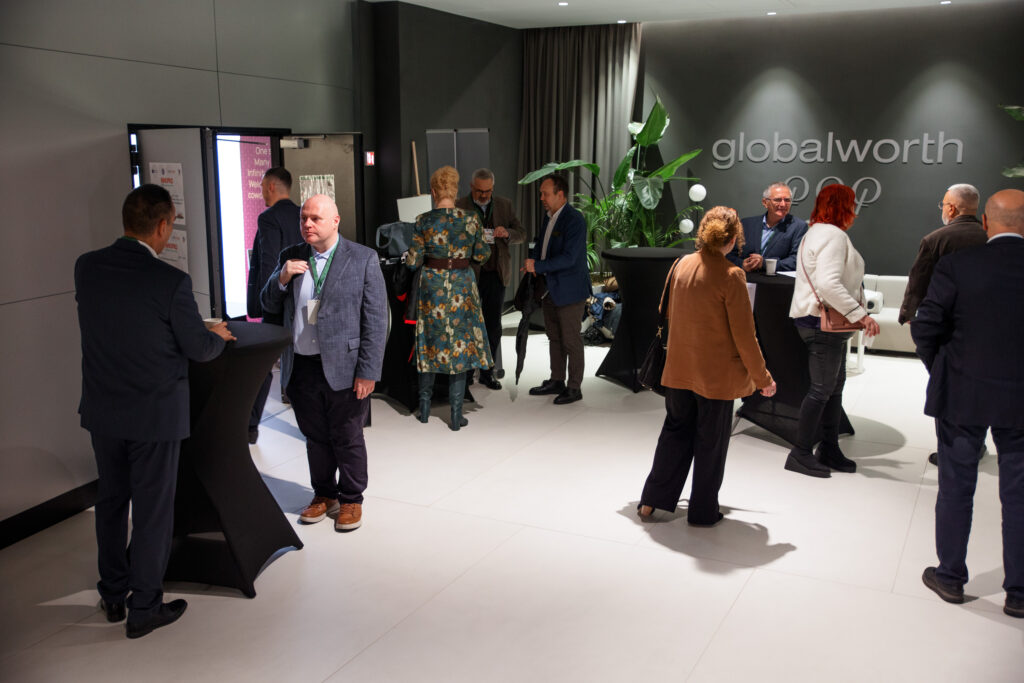
As co-host of InnopRo 2026, Supertree welcomed the European innovation community to Globalworth BOC Tower, providing conference, workshop and networking facilities across multiple event spaces.
The summit brought together participants from technology companies, universities, research centres, European innovation hubs and public institutions, reflecting the diversity of organisations involved in digital transformation.
For Supertree, the collaboration with Wallachia eHub aligns with our broader objective of supporting companies through access to business infrastructure, expertise and professional networks.
Our ecosystem combines flexible workspaces, business advisory services and corporate events, creating opportunities for businesses to establish local operations, exchange knowledge and develop partnerships.
Hosting InnopRo also demonstrated how professional event infrastructure can support complex, multi-format programmes that combine conferences, parallel workshops, business matchmaking and international networking.
We thank Wallachia eHub, its partners, speakers and participating organisations for bringing InnopRo 2026 to Bucharest and contributing to two days of discussions on the future of European AI innovation.

Bringing business and innovation together
From international conferences and industry summits to executive meetings, workshops and professional networking, Supertree provides the infrastructure and business environment for organisations to connect, collaborate and grow.
Explore our conference and corporate event spaces or contact our partnerships team to discuss your next initiative in Bucharest.