Piggy banks, morning spreadsheets and why trust is built locally
Growth stories tend to get told in numbers: rankings, revenue, new markets.
Behind those numbers is usually something less visible: a habit someone questioned, a neighbour who turned out to be a stranger, a conversation over coffee that became a partnership.
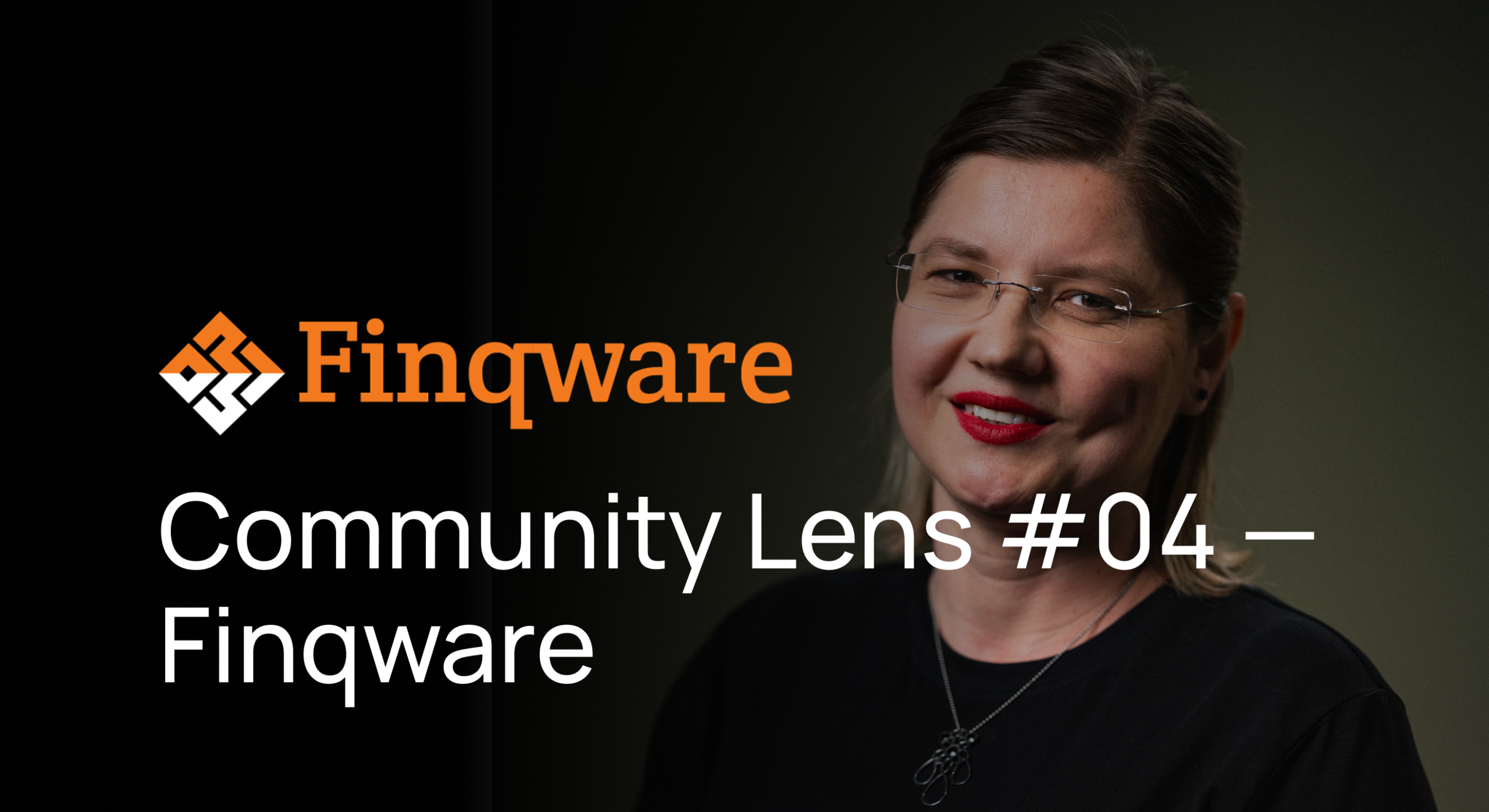
For this edition of Supertree Community Lens, our monthly series introducing the people behind the Supertree ecosystem, we sat down with Anca Gociman, Business Development Manager at Finqware, the Bucharest-based fintech behind treasury automation and open banking for businesses.
This autumn, Finqware ranked 36th on the Sifted 100: DACH & CEE 2026, the Financial Times-backed ranking of the region’s fastest-growing startups. It is the company’s second year in a row on the list, and Finqware is the only company headquartered in Romania to make it.
We talked about explaining fintech to a child, the finance rituals nobody questions, and what it would take for Bucharest to become a fintech hub.
Q: In one sentence, for someone with a finance background and for a five-year-old: what is fintech, and what is Finqware here to fix?
Anca: Both five and one sentence might be a bit ambitious! 🙂
I’d start with a ten-year-old saving birthday money in a piggy bank, keeping some on a card, occasionally lending a little to friends, and constantly counting every penny to figure out when they can finally afford that new bike.
Now multiply that by 50 bank accounts across two or three companies, several banks and thousands of transactions.
Fintech is what happens when technology takes the complexity out of managing money. And that is what Finqware does for businesses: bringing banking information together, automating the manual work and giving them a clear picture of their money.
Different scale, same challenge: knowing where your money is and what you can afford to do next.
Q: What is the most absurd manual finance ritual you have seen inside a big company?
Anca: What surprises me most isn’t the manual work itself. It’s how normal it has become.
I’ve met finance teams that start every morning downloading bank statements, consolidating balances, checking transactions and updating spreadsheets. Day after day, and nobody really questions it. It’s simply how things have always been done.
These are often highly sophisticated businesses, with experienced people and significant investments in technology. Yet some of their most repetitive financial routines have become so deeply embedded that they are no longer seen as problems worth solving.
I find that quite fascinating.
Sometimes the biggest obstacle to automation isn’t technology. It’s the fact that we’ve stopped questioning the way we work.
Q: You are the only Romania-headquartered company on Sifted’s fastest-growing list. What is the Romanian advantage nobody talks about?
Anca: I think we’re quite good at admitting something is difficult without treating it as impossible.
We’ve learned to work around constraints, find practical solutions and move forward even when conditions aren’t ideal.
We often talk about Romania’s technical talent, and rightly so. But I believe this particular mindset deserves more recognition. It turns out to be quite useful when you’re building a fintech company with international ambitions.
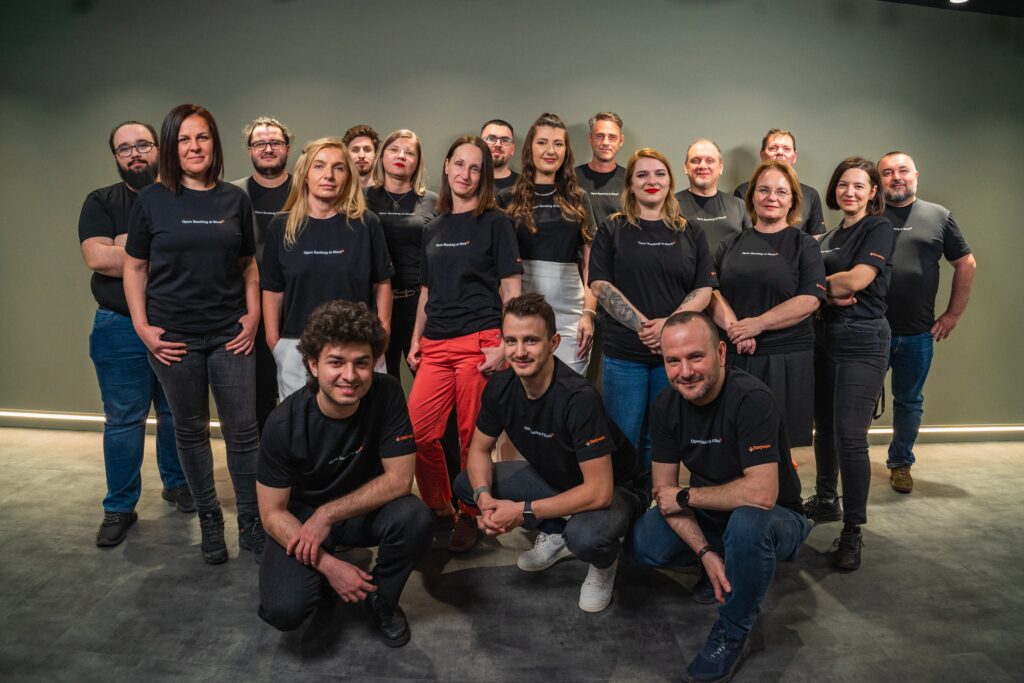
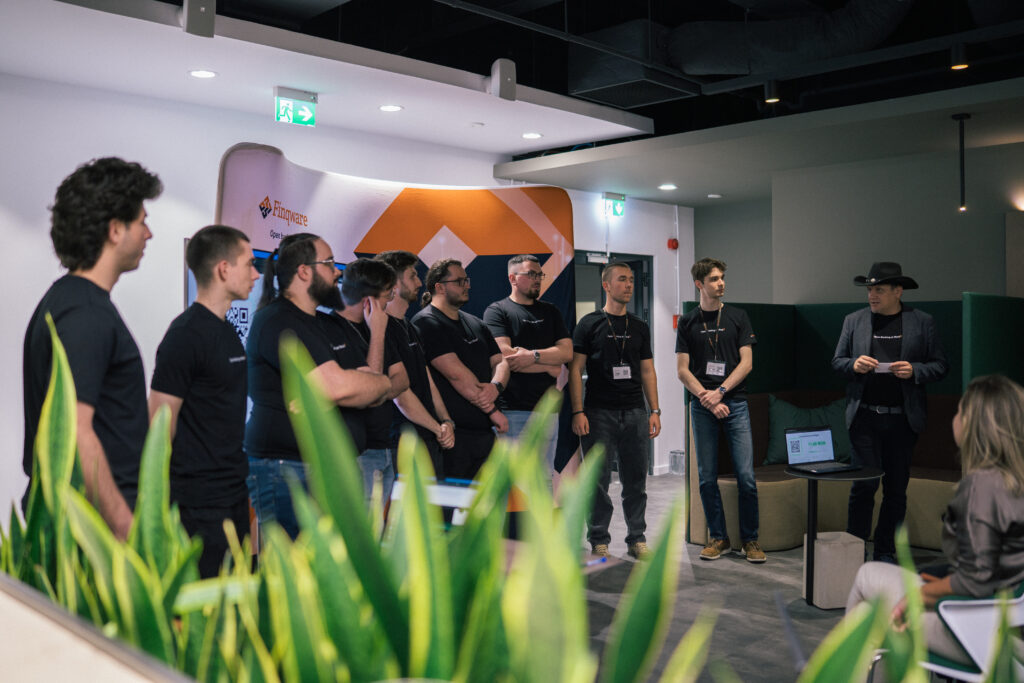
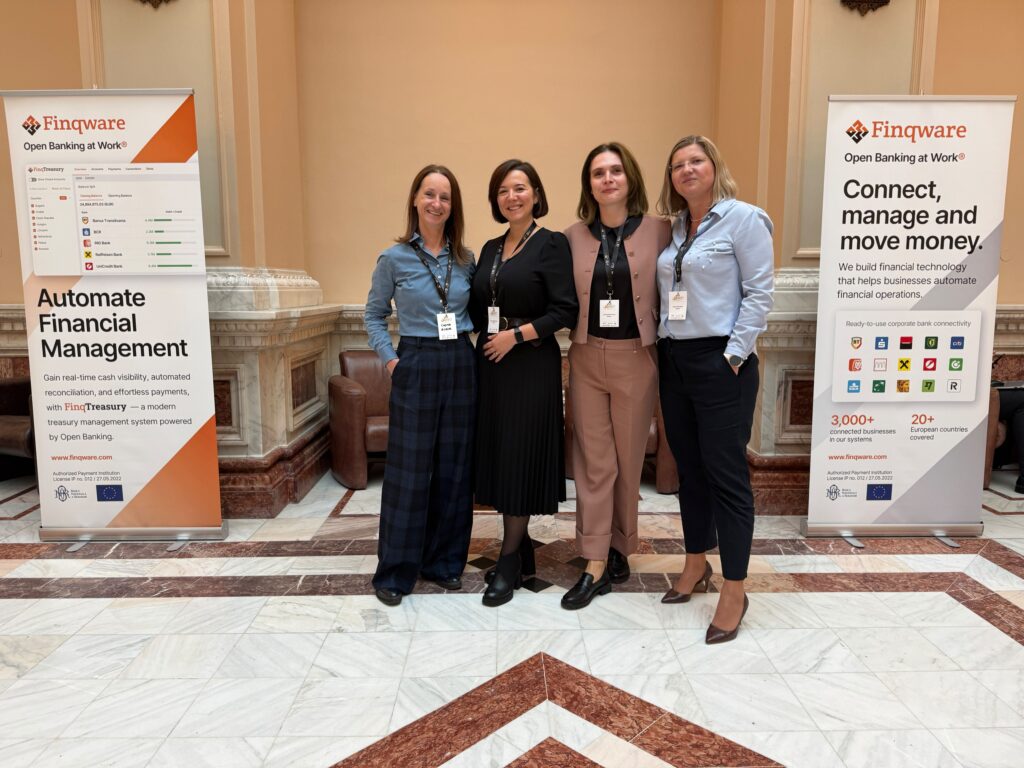
Q: Hungary became your biggest growth story last year. What surprised you about winning over a market next door, and which country is next?
Anca: Geographical proximity doesn’t necessarily translate into commercial proximity. Even neighbouring markets have their own business dynamics, expectations and ways of building trust.
Hungary has become an important market for Finqware, with a growing footprint in real estate and a landmark client in MOL Group. It’s a good example of how relevant use cases and strong customer relationships can support growth beyond our home market.
Technology scales, but trust is built locally.
Looking ahead, we’re exploring opportunities in Poland and Bulgaria, where partnerships are helping us understand the markets better and identify where Finqware can bring the most value.
The ambition is to expand internationally, but on the right foundations, rather than simply adding countries to the map.
Q: Could Bucharest ever become the fintech hub of CEE? What is still missing, and what could a community like Supertree do about it?
Anca: I think Bucharest has the talent and the ambition. What we need more of is the habit of building things together.
Cosmin, our CEO, calls Supertree the home of Romanian fintech. And it’s not just a nice expression: several members of the Romanian Fintech Association actually work from here.
That changes things. You don’t need to schedule a networking event to meet someone from the industry. You might run into them over coffee, exchange a thought about a common challenge and pick up the conversation again the next day.
Over time, familiarity builds trust. And trust makes it much easier to move from conversations to actual collaboration.
Perhaps that’s what a fintech hub really needs: fewer isolated success stories and more shared ones.
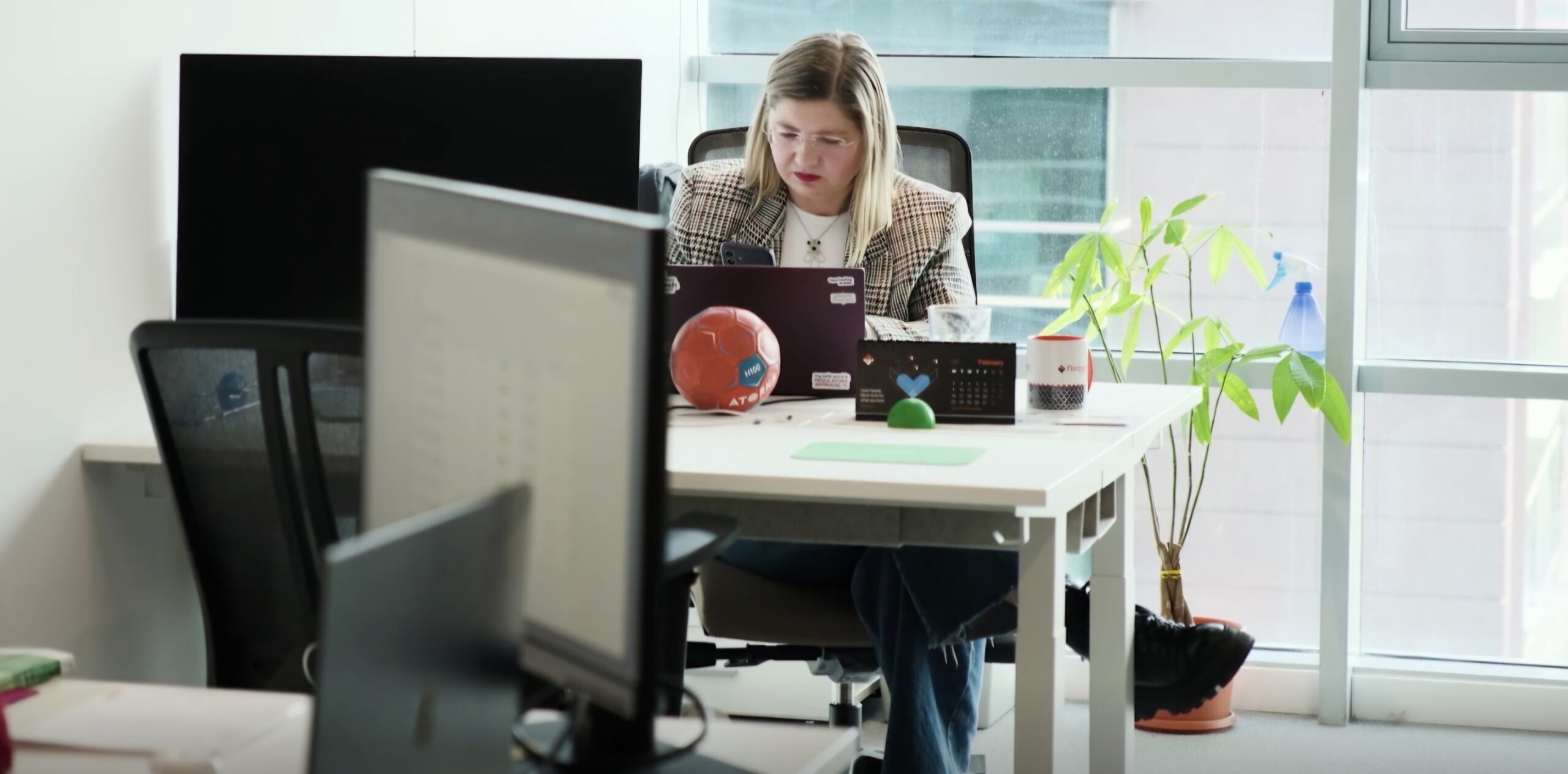
Q: Finqware has grown fast since joining Supertree. For anyone who would like to join the mission: which roles are open, who thrives at Finqware, and how do they get in touch?
Anca: Growth is exciting, but it also comes with an interesting challenge: finding people who don’t just want to join a growing company, but want to help build one.
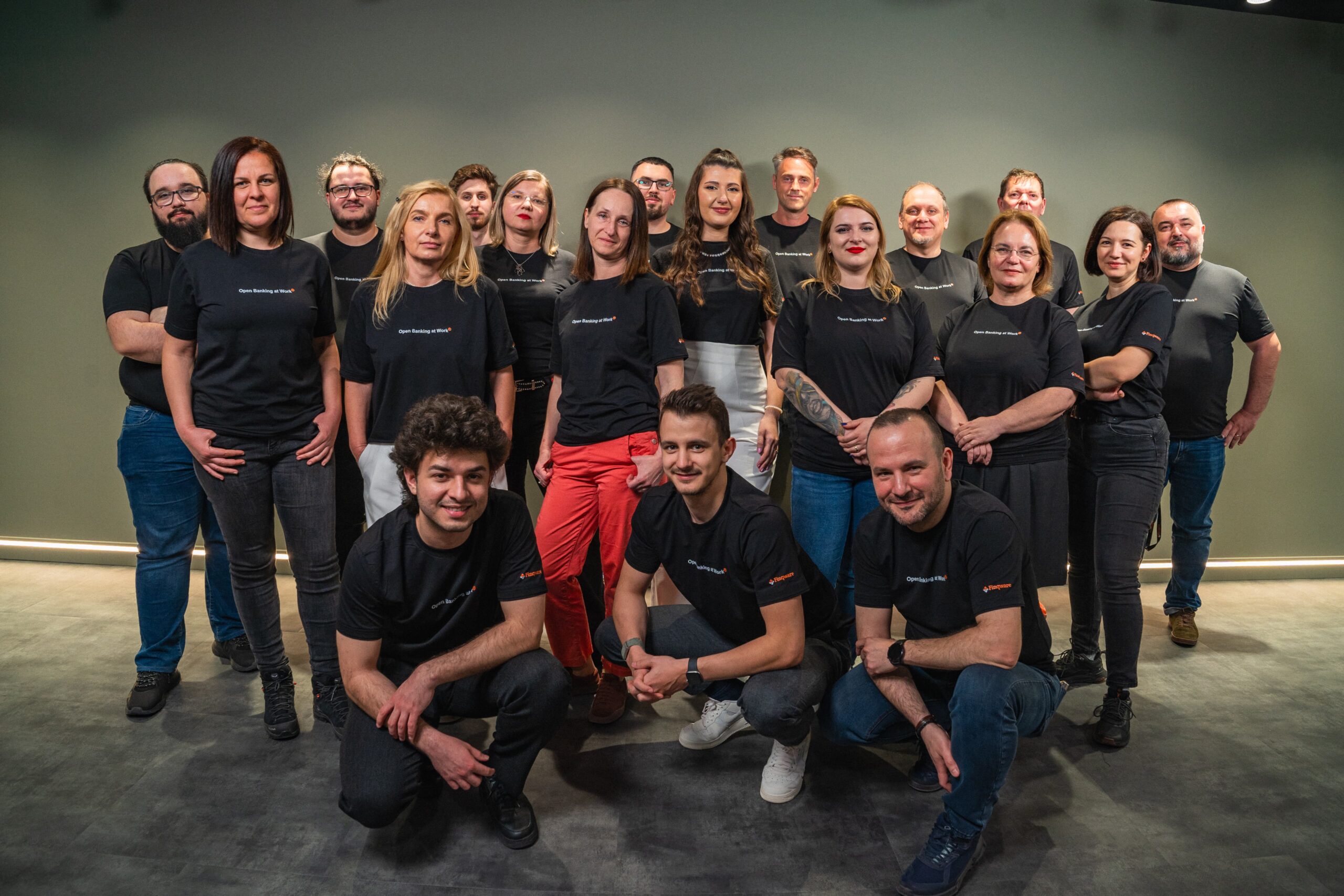
Finqware is expanding its team across Romania, Poland, Hungary and Croatia, with opportunities spanning business development, customer success, compliance and payments innovation.
The people who thrive here are naturally curious, comfortable with responsibility and willing to challenge the way things have always been done. Perhaps most importantly, they enjoy building something while it is still evolving.
And we’re quite easy to reach: through our careers page, LinkedIn, industry events, or simply over a coffee at Supertree. In many cases, a simple conversation has proved to be the best place to start.
Learn more about Finqware at finqware.com and see open roles on its [careers page. Or say hello in person: Finqware is working a few doors away.
The Community Lens
Community Lens is a monthly Supertree series created to make our ecosystem a little less anonymous.
Each edition introduces 2–3 founders, executives, professionals and partners from within the community, through the decisions they have made, lessons they have learned and ideas they are currently building.
Because sometimes the person, expertise or introduction your business needs is already working a few doors away.
Want to be featured in an upcoming Community Lens? Get in touch with the Supertree team.