Mindset, measurable results and the real role of NGOs
In Romania, there is a familiar picture of what an NGO looks like: well-meaning, underfunded and hard to hold to account.
EduAct is working against that picture. Its tools are not campaigns. They are programs, data and the slow work of changing how people think about education.
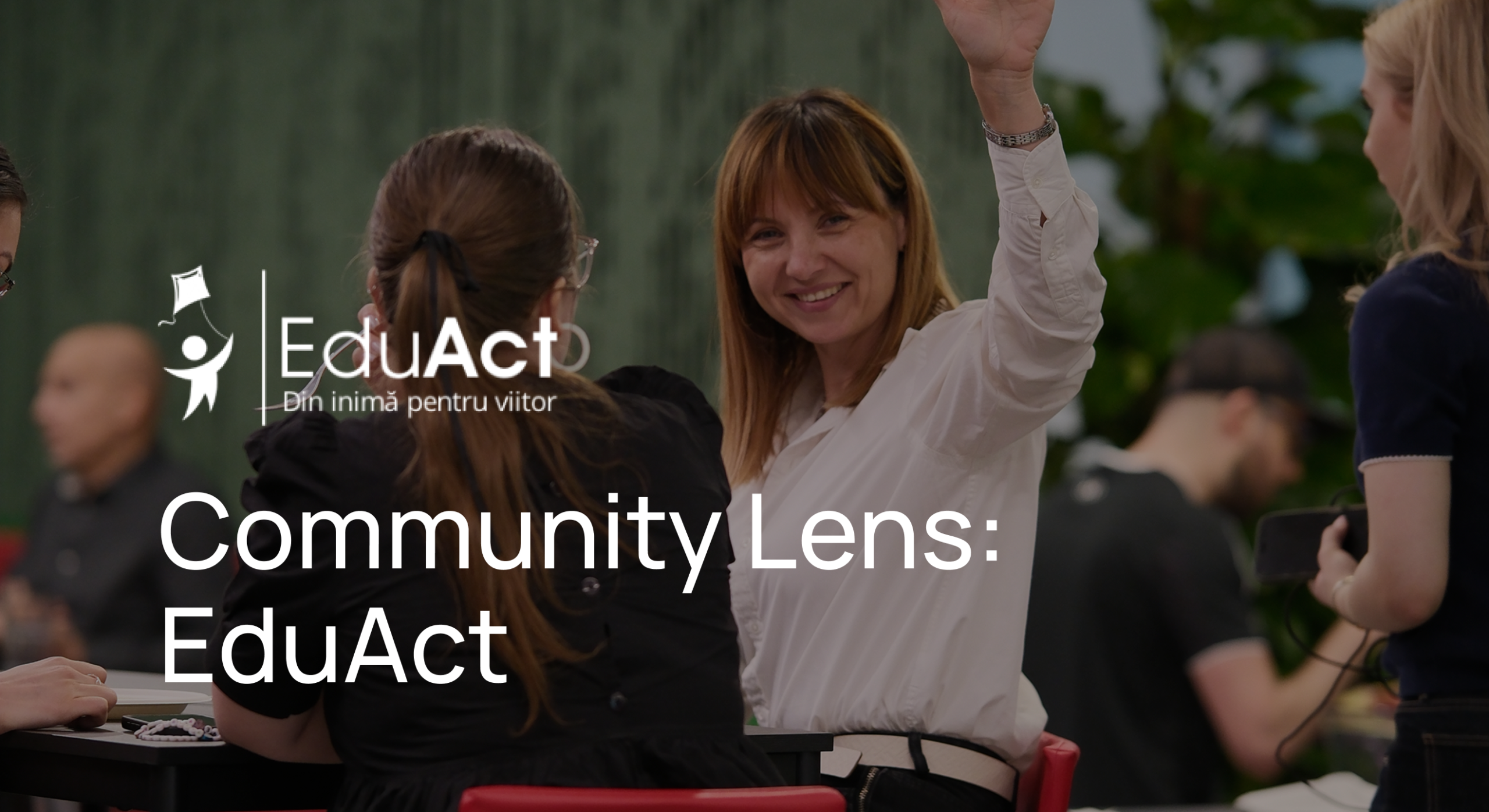
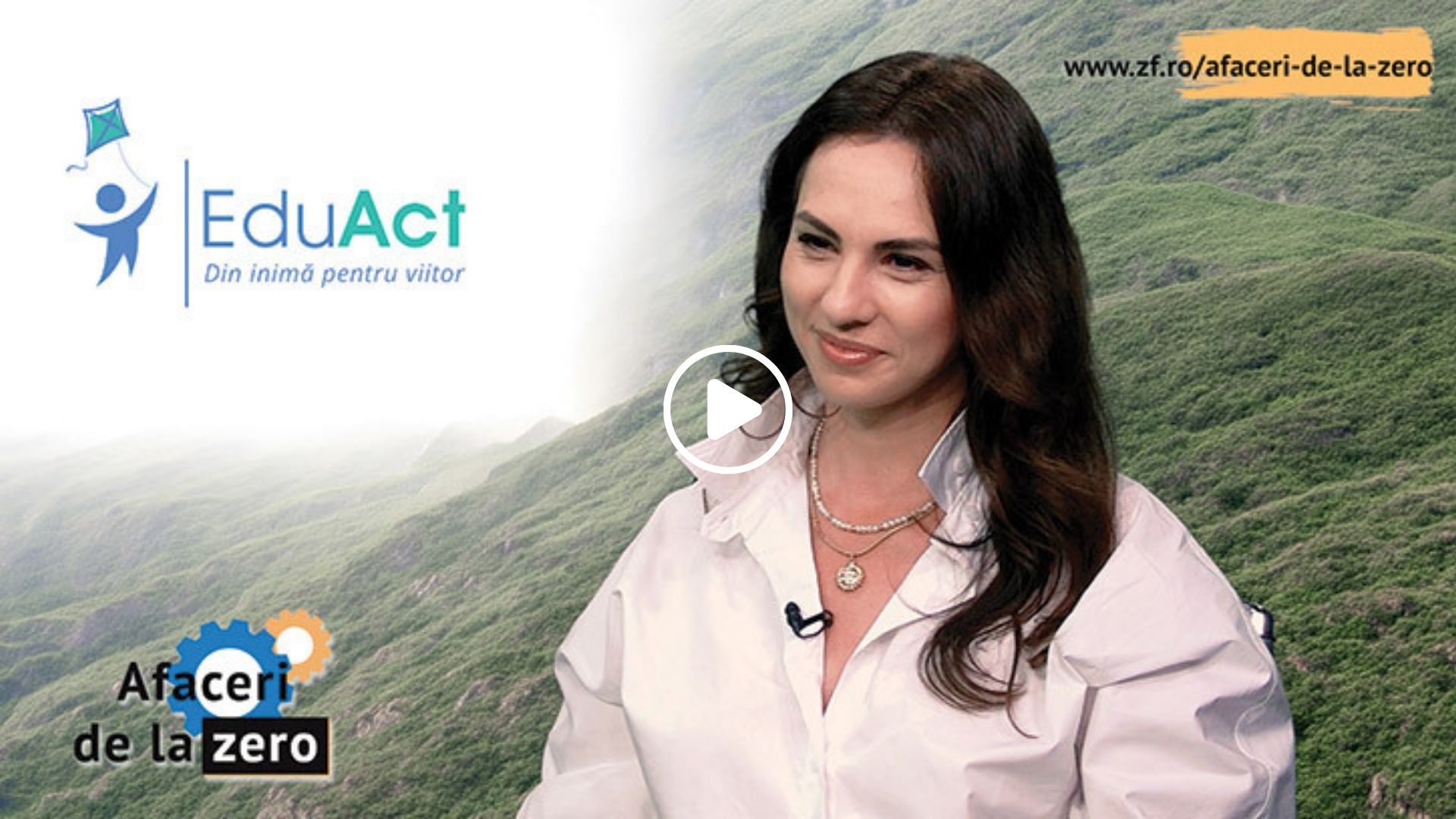
For this edition of Supertree Community Lens, our monthly series introducing the people behind the Supertree ecosystem, we sat down with Ioana Breazu, President of EduAct, to talk about why the organisation exists, the moment that made the work feel worth it, and what NGOs in Romania are really for.
Founded in 2022, EduAct runs educational programs in schools identified by the World Bank as having poor results. It reaches more than 1,400 primary, secondary and high school students every year, in both rural and urban areas.
Q: What moment made the founders decide EduAct needed to exist?
Ioana: The idea appeared in late 2021, out of the wish to run programs that really, truly bring change.
To be honest, we haven’t yet found the perfect recipe for turning needs on the ground into clear solutions. The hardest part is always changing mindsets. But we put in the work every day, and that is our main focus: creating programs that matter to students who struggle in their educational journey, especially where they lack support. That means we keep improving how we implement and keep adapting to the needs of the people we work with.
So in 2022, we founded EduAct to deliver educational programs in schools the World Bank identified as having poor results. Today we reach more than 1,400 students every year, from primary school through high school.
We are results-driven. We believe anything can be done if we join forces. We believe in community.
People can do amazing things when their purpose aligns.
Q: Superb! Can you please share one story of a person whose path changed because of your work?
Ioana: Let me tell you about Petru.
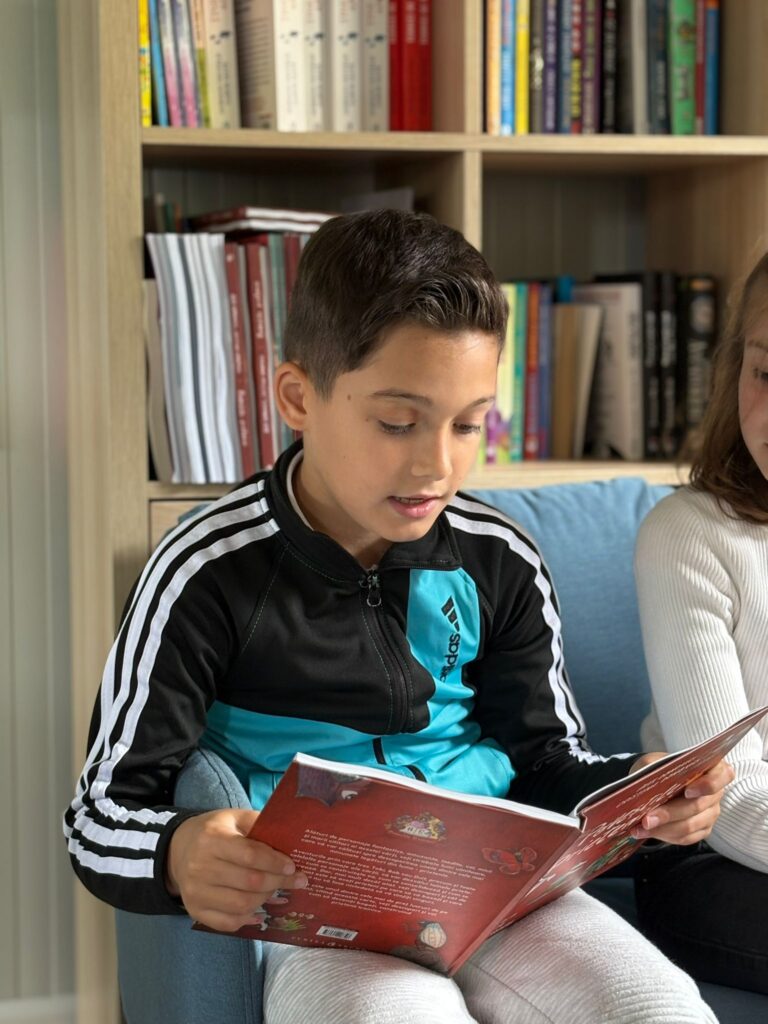
He was seven when he joined our program. He has a twin sister and two other siblings who are deaf and non-verbal. Their mother cannot read, so the family relies on their father’s income alone. Petru lives close to the school, and he is one of the most joyful, sparkling children we work with.
One day we were renovating the schoolyard, and I was walking around asking myself whether it was really worth it. The investment, the programs, the planning: all of it takes far more effort than it seems at first glance.
Then a mother came up to me and said: “I want to thank you. Since Petru started coming to the container*, he reads more at home. His sister doesn’t read much, but Petru really spends time with books.”
(*The “container” is an annex space EduAct built at a two-classroom school)
“You know, I don’t know how to read, but I always tell them to go to school and learn.”
She was Petru’s mother. That moment will stay with me forever.
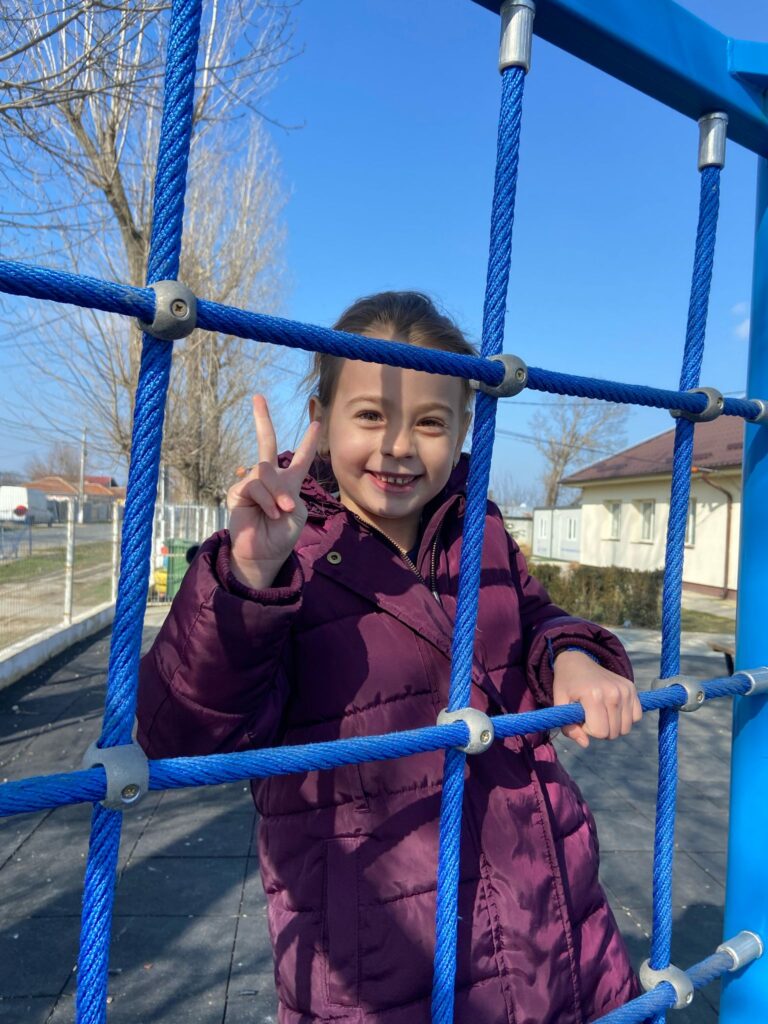
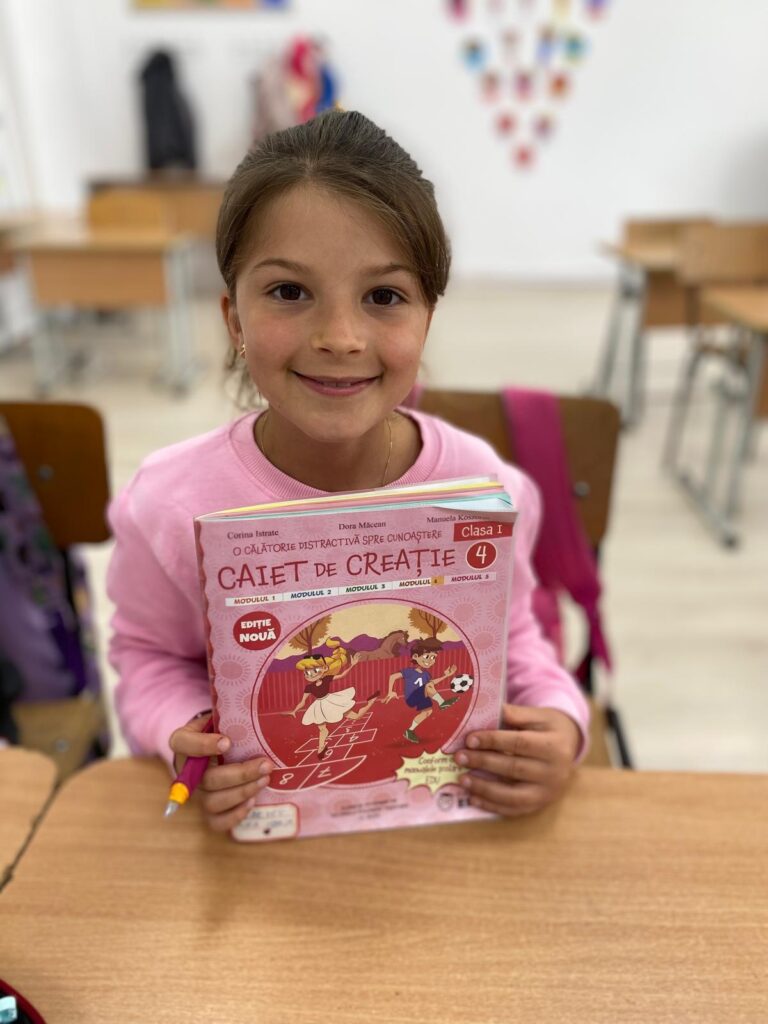
Q: Heartwarming! And what is the biggest misconception people have about running an NGO in Romania today?
Ioana: This one touches a sensitive spot for me.
In Romania, NGOs are often associated with begging, with being “poor”. Nothing-doers. You give them money and you have no idea where it goes.
But look at almost any other country and NGOs are strategic partners for institutions and companies alike. You have the public system, the for-profit system, and then the third sector, whose role is to be an implementation partner so that the whole of society benefits. In our case, investing in education means building a bridge between what companies need as employers and the workforce of the future.
Imagine smart students growing up in places that simply lack opportunities. Who brings those opportunities to them?
Who tells them: “I believe in you, and you are a bit of magic in this world”?
That is the role of NGOs: to empower people and communities, and to create value through well-designed programs grounded in both needs and opportunities.
Q: What would you say you need most right now: volunteers, partners, funding or visibility?
Ioana: That is a challenging question!
My first goal is to have programs with proven results. That is the fuel that keeps us going. And for that, our team needs, dare I say it, overachievers 🙂
Right now we are looking for an amazing, overachieving Programs Coordinator. We are ambitious, we don’t want to blend into the crowd, and we want to make a real difference. We can only do that with a team that runs like clockwork.
Partners, funding and visibility will follow. I am an optimist.
When things are done right, it is almost impossible not to find people who want to join the cause.
Q: Lastly, if you could change one thing about education in Romania tomorrow, what would it be?
Ioana: Mindset. Everything starts there. The way you think shows up in your actions, your results, your community and the whole atmosphere around you.
It is a complex topic. If teachers ignore students’ emotions, the very emotions that drive motivation; if bullying happens and people stay passive; if children are left behind because their families cannot support them, then amazing children lose their chances.
That is the beginning of a “what if…” question that will take EduAct on a very challenging journey in the period ahead.
The future of education isn’t someone else’s responsibility. It’s ours.
Find out how you can help at eduact.ro. Know a great programs coordinator? EduAct is hiring, and the right introduction may be a few doors away.
The Community Lens
Community Lens is a monthly Supertree series created to make our ecosystem a little less anonymous.
Each edition introduces 2–3 founders, executives, professionals and partners from within the community, through the decisions they have made, lessons they have learned and ideas they are currently building.
Because sometimes the person, expertise or introduction your business needs is already working a few doors away.
Want to be featured in an upcoming Community Lens? Get in touch with the Supertree team.